Darknet Markets 2026:
The dark web is part of the deep web but is built on darknets: overlay networks that sit on the internet but which can't be accessed without special tools or software like Tor. Tor is an anonymizing software tool that stands for The Onion Router — you can use the Tor network via Tor Browser.
| Darknet Market | Established | Total Listings | Link |
|---|---|---|---|
| TorZon Market | 2022 | 140+ | Onion Link |
| Nexus Market | 2024 | 600+ | Onion Link |
| Abacus Market | 2022 | 100+ | Onion Link |
| Ares | 2026 | 100+ | Onion Link |
| Cocorico | 2023 | 110+ | Onion Link |
Updated 2026-10-27
How to find working darknet links and shop safely
Accessing a darknet market requires a specific URL, which functions as the gateway. These primary addresses are often targeted for takedown, leading to the use of mirrors. A mirror is an alternative link that points to the same market website, providing redundancy if the main link is seized or becomes unstable. The dynamic nature of these links necessitates a systematic approach to finding current ones.
Updated directories and verification services are the most reliable sources for working links. These resources aggregate and test URLs, often using community feedback to confirm their validity. A verified link is the first critical step toward a secure transaction environment.
Once access is established, safe shopping is predicated on the system of vendor reputation and user reviews. Markets implement rating systems where past buyers detail their experiences with product quality, shipping speed, and communication. A vendor with a long history of positive feedback and high transaction volume presents a lower risk. This transparent peer-review mechanism allows buyers to make informed decisions and fosters a self-regulating ecosystem where reliability is rewarded.
The transaction's security is further enhanced by the mandatory use of cryptocurrencies like Bitcoin or Monero, which provide pseudonymous payment, and the escrow system. In a typical escrow, the buyer's funds are held by the market administrator until the product is received and confirmed. Only then is the payment released to the vendor. This mechanism protects both parties: the buyer from not receiving the goods, and the vendor from fraudulent chargebacks. Together, verified links, reputable vendors, and secure escrow create a structured framework for a reliable trade.
Finding Quality Goods on the Darknet
Darknet market links function as gateways to specialized digital platforms where a wide range of goods is available. These platforms operate on principles of free trade, providing access to substances that are often restricted or of inconsistent quality in physical markets. The primary mechanism for this access is the verified vendor system, where sellers establish their reputation over time through consistent transaction history and positive user feedback.
Upon accessing a market via a working link, users encounter catalogues organized by substance type, region, and price. The variety is extensive, covering numerous categories with detailed descriptions regarding purity, origin, and suggested dosage. This level of product specification and vendor specialization is a direct result of the competitive, review-driven environment. Buyers rely on detailed user reviews and vendor ratings to make informed decisions, which in turn incentivizes sellers to maintain high standards and accurate product listings.
The transaction process is secured by integrated escrow services. When an order is placed, the buyer's cryptocurrency payment is held in escrow by the market's automated system. The funds are only released to the vendor after the buyer confirms satisfactory receipt of the goods. This mechanism significantly reduces the risk of fraud for both parties, creating a foundation for reliable trade. The entire interaction, from browsing to finalizing a sale, is protected by strong encryption and anonymity networks, ensuring participant security and operational resilience of the marketplace itself.
How Reviews and Reputation Make the Darknet Safer
Navigating darknet markets for a reliable drug trade requires a system of trust, which is established through user reviews and vendor reputation. These elements function as a decentralized quality and safety control mechanism. A vendor's reputation score, typically displayed on their profile, is a cumulative metric derived from past transaction feedback. This score is a primary indicator of reliability.
Detailed user reviews provide specific data points that go beyond a simple rating. Reviews often comment on:
- Product purity and accurate weight
- Stealth and professionalism of packaging
- Shipping speed and consistency
- Vendor communication and responsiveness
This feedback loop allows buyers to make informed decisions, selecting vendors with a proven track record. Markets often feature a verified vendor badge, which indicates the seller has consistently fulfilled orders over time and their identity is somewhat established with the market administration. Purchasing from such vendors significantly reduces the risk of financial loss. The collective scrutiny of the community promotes a safer trading environment where reputable vendors are rewarded with continued business, and fraudulent actors are quickly identified and ostracized.

Secure Shopping on the Darknet with Encryption
Accessing darknet markets requires a foundation built on encryption and anonymity. The first step is using the Tor Browser, which routes your connection through multiple layers, masking your IP address and making your online activity difficult to trace. This is non-negotiable for accessing .onion links securely.
Beyond the browser, a VPN adds an extra layer of encryption before your data even enters the Tor network, providing additional security from your internet service provider. For truly secure communication and transaction details, PGP encryption is essential. Every reputable vendor provides a public PGP key; you use it to encrypt your address and order information, which only the vendor can decrypt with their private key. This ensures that even if a market is compromised, your personal data remains protected.
Operational security extends to your behavior on the market. Creating a unique username that isn't used elsewhere and never reusing passwords is critical. The combination of these tools creates a robust shield, allowing for the discreet and secure evaluation of verified vendors and their products. This protected environment is what makes the review and escrow systems functional, as they operate within a space designed to prioritize user privacy and transaction security.
How Crypto Helps People Buy Things Privately on the Darknet
The operational framework of darknet markets necessitates a payment system that aligns with their core principles of anonymity and decentralization. Traditional financial instruments, such as credit cards or bank transfers, are inherently traceable and linked to real-world identities, making them unsuitable for this environment. Cryptocurrencies, primarily Bitcoin and Monero, provide a solution by functioning as a digital, peer-to-peer cash system.
Transactions are recorded on a public ledger, the blockchain, but the identities of the parties involved are represented by cryptographic addresses, not personal names. This creates a layer of pseudonymity. For enhanced privacy, currencies like Monero use advanced cryptographic techniques to obfuscate transaction details completely. The decentralized nature of these currencies means no central authority, like a bank or government, can freeze accounts or reverse transactions, ensuring finality and reducing operational risk for both vendors and buyers. This financial model is integral, as it facilitates the secure and efficient exchange of goods without the oversight of conventional financial institutions.

How Escrow Protects Your Darknet Purchases
The escrow system is a fundamental security feature on darknet markets, designed to protect both the buyer and the vendor during a transaction. It functions as a neutral third-party holding service for the cryptocurrency payment. When an order is placed, the buyer sends the funds to the market's escrow account, not directly to the vendor. The vendor sees the secured payment and then ships the product. Only after the buyer receives the order and confirms its satisfactory condition does the market release the funds from escrow to the vendor.
This mechanism directly addresses the inherent risk of fraud in anonymous commerce. It prevents a scenario where a vendor receives payment but never dispatches the product, a practice known as selective scamming. Conversely, it also protects honest vendors from fraudulent buyers who might falsely claim non-receipt to secure a refund. The escrow system creates a conditional transaction where release of funds is contingent upon successful fulfillment of the agreement.
For the buyer, the process involves a clear sequence:
- Funds are locked in escrow upon order confirmation.
- The vendor is incentivized to ship the product promptly and maintain quality to receive payment.
- The buyer has a designated period to finalize the order, initiating the release of escrow, or to open a dispute if there is an issue.
Dispute resolution is managed by market moderators who review communication and evidence from both parties. This structured approach reduces reliance on blind trust and shifts the basis of the transaction to verifiable performance and cryptographic proof. While not infallible, a properly implemented escrow system significantly elevates transaction safety, making reliable trade possible by aligning the financial interests of both parties with the successful completion of the exchange.
How to Find Working Darknet Links and Shop Safely
The dynamic nature of darknet market links is a direct function of operational security. Domains frequently change to mitigate distributed denial-of-service (DDoS) attacks and to evade external pressure, making the old URLs inactive. This constant rotation necessitates reliable methods for locating the current, functional addresses. The primary resource for this is updated link directories and forums dedicated to market verification. These platforms act as community-driven hubs where users share and confirm the latest working mirrors.
To ensure safety when accessing a market, verification through multiple sources is critical. A single directory can be compromised. Cross-referencing a proposed link across several trusted forums and verification services reduces the risk of phishing. These services often provide PGP-signed messages from the market administration, allowing a user to cryptographically confirm the authenticity of the address before visiting. This step is non-negotiable for secure access.
Once a verified link is obtained, safe shopping practices begin with vendor selection. A verified vendor with a long-standing history and a large volume of positive feedback represents a lower risk. The review system on darknet markets provides transparent data on transaction success, product quality, and shipping reliability. This user-generated reputation system is the cornerstone of trust, enabling informed purchasing decisions based on collective experience rather than chance.
The transaction security is further institutionalized through the escrow system. When an order is placed, the buyer's cryptocurrency is held in escrow by the market until the product is received and confirmed. This mechanism protects both parties: the vendor is assured of payment, and the buyer is assured that funds are only released upon satisfactory completion. Disputes can be mediated by market staff, adding a layer of accountability. The combined use of verified links, reputable vendors, and secured escrow creates a structured environment for a reliable trade.
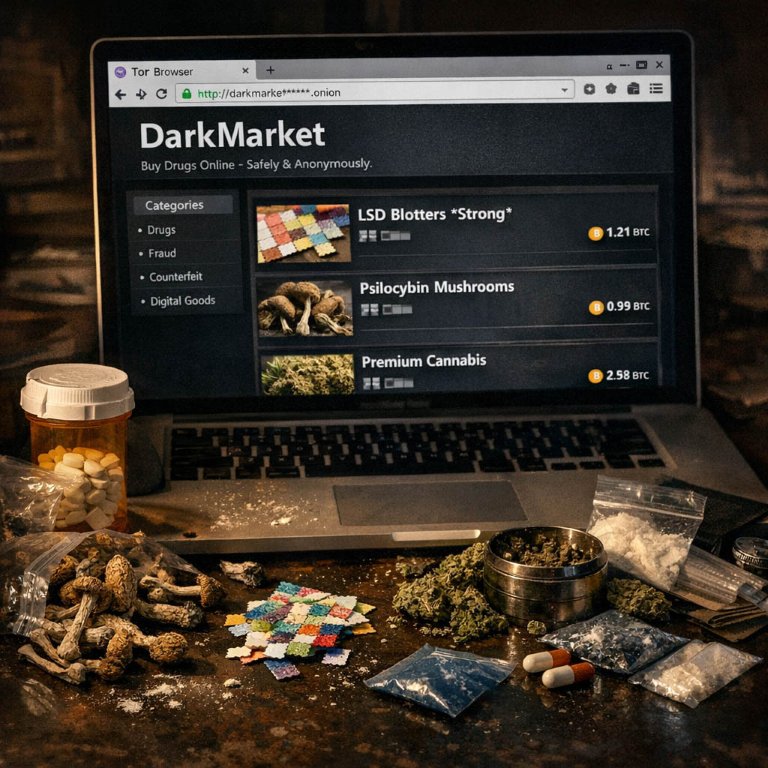
Getting Safe Access to Reliable Darknet Markets
Finding functional darknet market links is a procedural necessity, as domains frequently change to maintain operational security. Updated directories, often referred to as link aggregators or mirrors, serve as the primary resource for accessing current addresses. These directories are hosted on resilient platforms and are regularly refreshed by community contributors, ensuring users can bypass takedowns and access the marketplace.
Verification services complement directories by adding a critical layer of trust. They analyze provided links to confirm they are legitimate and not phishing traps set to steal user credentials. A verified link leads directly to the authentic market, protecting against fraud before a login attempt is even made. This process is fundamental for safe entry.
Once inside a verified market, the framework for safe shopping is systematic. The platform's architecture is designed to facilitate a reliable drug trade by integrating several key features:
- Verified vendor badges are awarded to sellers with a proven history of successful transactions and consistent product quality, as reflected in user feedback.
- Detailed user reviews and rating systems provide transparent data on product purity, shipping speed, and stealth, allowing for informed purchasing decisions.
- Mandatory escrow systems are implemented to secure transactions. Funds are held by the market until the buyer confirms receipt, which incentivizes vendors to fulfill orders accurately and discourages exit scams.
The combined use of current directories and verification services establishes a secure starting point. This initial step, followed by engaging only with verified vendors and utilizing escrow, creates a structured environment where trade can proceed with minimized risk, focusing on transactional reliability and product consistency.