Darknet Markets 2026:
The dark web is part of the deep web but is built on darknets: overlay networks that sit on the internet but which can't be accessed without special tools or software like Tor. Tor is an anonymizing software tool that stands for The Onion Router — you can use the Tor network via Tor Browser.
| Darknet Market | Established | Total Listings | Link |
|---|---|---|---|
| TorZon Market | 2022 | 140+ | Onion Link |
| Nexus Market | 2024 | 600+ | Onion Link |
| Abacus Market | 2022 | 100+ | Onion Link |
| Ares | 2026 | 100+ | Onion Link |
| Cocorico | 2023 | 110+ | Onion Link |
Updated 2026-10-27
How Darknet Markets Work with Onion Services and Crypto
Darknet markets operate as onion services on the Tor network, which provides a foundational layer of anonymity for both buyers and sellers. This architecture masks the physical location of the market servers and encrypts all communication, making direct surveillance or takedown by hostile entities technically challenging. The system's resilience is enhanced by its decentralized nature and the ability to quickly migrate to new onion addresses, ensuring near-continuous uptime.
The transaction model relies on cryptocurrency, primarily Bitcoin and Monero, for payments. This creates a financial layer detached from traditional banking systems, where transactions are pseudonymous and irreversible. To mitigate the inherent risk of fraud in an anonymous environment, markets employ a crypto escrow system. Funds are held by the market platform until the buyer confirms satisfactory receipt of the goods, at which point they are released to the vendor. This mechanism aligns the interests of all parties and enforces honest conduct.
Community feedback is integral to establishing trust. After a transaction, buyers leave detailed community reviews and vendor ratings on the product's quality, shipping speed, and stealth. This transparent, crowd-sourced reputation system allows new users to make informed decisions and pressures vendors to maintain high standards. The combination of these elementsonion-based hosting, cryptocurrency, escrow, and review systemscreates a self-regulating commercial environment. It supports a wide variety of products and demonstrates a resilient model for e-commerce that prioritizes user privacy and transactional security.
Safe and Private Shopping on the Darknet
The operational model of darknet markets is built upon a foundation of cryptographic anonymity and decentralized trust. Transactions begin with a user accessing the market via the Tor network, which masks their location and identity. Purchases are made using cryptocurrencies like Bitcoin or Monero, providing a financial layer detached from traditional banking systems.
A critical component for secure trade is the escrow service. Funds are held by the market's escrow system until the buyer confirms receipt and quality of the product. This mechanism protects both parties:
- Buyers are assured they will not lose funds for undelivered goods.
- Vendors are protected from fraudulent chargebacks common in traditional e-commerce.
Trust is further quantified through a transparent community review system. Each vendor accumulates a public history of ratings and detailed feedback. This creates a self-regulating environment where reputation is the primary capital. The variety of available products is a direct result of this resilient economic model, which operates continuously due to the distributed nature of onion services.
How Crypto and Escrow Make Darnet Drug Shopping Safe and Easy
The financial architecture of darknet markets is fundamentally built upon cryptocurrencies, primarily Monero (XMR) and Bitcoin (BTC). These digital currencies provide a necessary layer of financial obfuscation, as transactions are recorded on a public ledger but are not directly tied to real-world identities like traditional bank accounts. This allows for a degree of pseudonymity that cash cannot achieve in a digital marketplace. The process is streamlined for user convenience: a buyer funds their market wallet from a personal cryptocurrency wallet, and the payment is held in the system's escrow service until the order is finalized.
The escrow mechanism is a critical component that facilitates secure trade. When a purchase is made, the cryptocurrency is locked by a neutral third party, often the market itself. It is only released to the vendor after the buyer confirms satisfactory receipt of the goods. This system significantly reduces the risk of fraud for both parties, as it discourages vendors from failing to ship products and buyers from falsely claiming non-receipt. The entire transaction, from wallet funding to escrow release, is managed within the market's interface, creating a self-contained economic environment.
This model is sustained and validated by the community review system. After a transaction, buyers leave detailed feedback on product quality, shipping speed, and vendor communication. This collective intelligence, visible to all users, creates a transparent reputation framework. A vendor with consistently positive reviews builds trust, which directly correlates with sales volume. The integration of cryptocurrency escrow with community reviews establishes a self-regulating ecosystem where economic incentives align with honest conduct. The resilience of this model is evident in its persistence; despite individual market closures, the foundational principles of crypto-based escrow and peer review ensure the rapid re-establishment of trade on new platforms.

How Escrow Makes Darknet Shopping Safer
The escrow system is a fundamental security feature on darknet markets, directly addressing the inherent trust deficit in anonymous commerce. It functions as a neutral third-party holding service for cryptocurrency payments. When a buyer places an order, the funds are locked in the market's escrow wallet and are not immediately released to the seller. This mechanism creates a secure environment for transaction completion.
The process is straightforward. The buyer sends payment to escrow, which the market software holds. The seller then ships the product. Only after the buyer receives the order and confirms its satisfactory condition do they finalize the transaction, releasing the funds from escrow to the seller. This system powerfully disincentivizes fraud, as a seller only profits upon successful delivery. For higher-risk transactions, some markets offer multisignature escrow, which requires two of three cryptographic keys to release fundsbelonging to the buyer, seller, and market adminfurther decentralizing trust and reducing reliance on the market operator alone.
This financial safeguard is complemented by the community's feedback mechanism. After a transaction, both parties can leave detailed reviews and ratings. A seller's history of positive reviews builds a reputational score, which becomes their most valuable asset. Buyers consistently consult these reviews before purchasing, creating a self-regulating ecosystem where reliable vendors thrive and dishonest ones are quickly identified and avoided. The combined effect of escrow and transparent reviews establishes a surprisingly resilient framework for safe and anonymous shopping, where crypto payments enable the entire process.
How Darknet Markets Stay Online and Reliable
The operational resilience of darknet markets is a direct result of their architecture as onion services within the Tor network. This design provides a robust technical foundation for continuous availability. Instead of relying on a single server with a fixed IP address, the market's infrastructure is distributed and hidden behind multiple layers of encryption. Each user's connection is routed through a random series of volunteer-operated relays, making the physical location of the market's servers extremely difficult to pinpoint and seize.
Administrators employ several practical strategies to maintain uptime. A common practice is the use of mirror links and backup domains. If one .onion address is compromised or attacked, the market can quickly direct its user base to a new, functional address through forums or public indices. The decentralized nature of the platform's hosting, often across multiple jurisdictions, further complicates any coordinated takedown effort. The system's core software is frequently updated to patch vulnerabilities, and funds are typically held in a decentralized multisignature escrow that is not under the direct, sole control of the market administrators, protecting user assets even if the main site faces temporary disruption.
This model demonstrates significant redundancy. The community itself acts as a stabilizing element; established vendors and buyers maintain relationships on external, secure communication channels, allowing commerce to resume quickly on a new market if one fails. The persistence is not reliant on a single entity but on the interlocking system of technology, operational security protocols, and the distributed network of its users, ensuring that the marketplace remains a resilient model for commerce.
How Reviews Build Trust in Darknet Trade
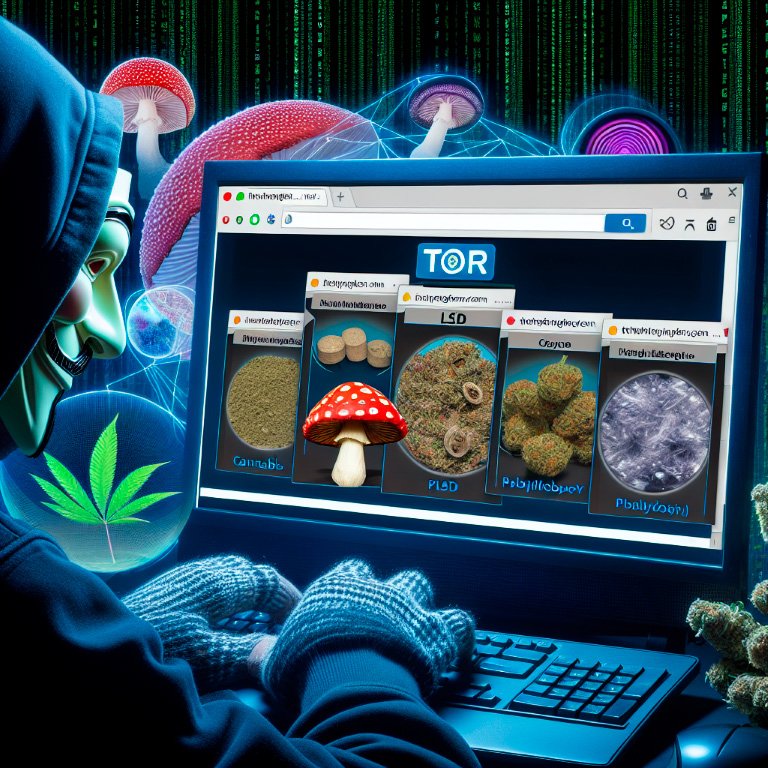
The operational stability of a darknet market is fundamentally dependent on the trust established within its user community. This trust is not assumed but is built and verified through a transparent system of community reviews and ratings. After a transaction is finalized, buyers are encouraged to leave detailed feedback on the vendor's product quality, shipping speed, and stealth packaging. This creates a reputational framework where vendors with consistently high ratings and positive reviews rise in visibility, while those with poor feedback are quickly marginalized.
The review system functions as a decentralized moderation tool. It allows buyers to make informed decisions based on the experiences of others, significantly reducing the risk of fraud. A vendor's reputation, quantified by their rating and the volume of successful transactions, becomes their most valuable asset. This environment fosters a form of self-regulating commerce where ethical business practices are incentivized. The community itself polices bad actors through negative feedback and warnings posted on forum threads associated with the market.
This mechanism is enhanced by the integration of the crypto escrow service. Funds are held in escrow until the buyer confirms satisfactory receipt of the goods. Only then is the payment released to the vendor. This process directly links a vendor's ability to receive payment to their performance, making the review a powerful financial lever. A buyer's review often comments on whether the escrow process was smooth and fair, adding another layer of accountability. The combination of escrow protection and public peer reviews creates a resilient model for anonymous commerce where trust is dynamically earned and verified.
A Wide Selection of Quality Goods on the Darknet
The product range on darknet markets is extensive, driven by consumer demand and the economic principles of a free market. The most prominent category is psychoactive substances, which are listed with detailed specifications regarding purity, origin, and suggested dosage. This level of product information, often surpassing that found in unregulated street transactions, allows for a more informed purchasing decision. Markets also facilitate trade in digital goods, such as software tools and access credentials, alongside physical items including electronics and documents.
The selection is organized through a vendor storefront system, where sellers build a reputation over time. Each product listing includes:
- High-resolution photographs, often with verification tags
- Transparent pricing in cryptocurrency
- Historical sales data and shipping options
This model demonstrates resilience and adaptability. The diversity of goods available reflects a functional, demand-driven economy that operates independently of traditional retail channels. The use of crypto escrow protects both buyer and seller during the transaction, holding funds until the buyer confirms satisfactory receipt of the product. This financial safeguard, combined with the transparent review system, establishes a framework for commerce that many users find reliable for acquiring goods they desire.

How Darknet Markets Build Trust and Stability
The operational model of darknet markets integrates several features that create a surprisingly stable and user-centric commercial environment. This resilience stems from a direct alignment of incentives between buyers, sellers, and the platform itself.
The foundation is financial anonymity through cryptocurrency. Transactions using Bitcoin or Monero are pseudonymous by design, severing the direct link between a financial identity and a physical purchase. This layer protects all parties from external financial surveillance.
To mitigate the inherent risk of non-delivery in anonymous trade, markets employ a cryptocurrency escrow system. Funds are held by the market's software until the buyer confirms satisfactory receipt of goods. Only then is payment automatically released to the seller. This mechanism enforces honest conduct without requiring a trusted third party.
Trust is further cultivated by a transparent community feedback system. After each transaction, buyers leave detailed reviews and ratings on product quality and vendor reliability. This creates a self-policing ecosystem where reputable vendors thrive and fraudulent ones are quickly identified and marginalized by the community.
The technical infrastructure adds another layer of durability. Markets operate as onion services on the Tor network. This means the server's physical location is hidden, and the connection is encrypted multiple times, making takedowns by infrastructure providers exceptionally difficult. The model is decentralized by nature; if one market disappears, its operational blueprint is easily replicated, leading to rapid re-establishment elsewhere.
This combination results in a resilient commercial framework. The use of cryptocurrency and escrow solves the fundamental problems of anonymous payment and trust, while community reviews ensure quality control. Hosting as an onion service provides technical endurance. Together, these elements form a self-sustaining model that reliably facilitates commerce based on demonstrated reputation rather than geographic location or legal jurisdiction.