Darknet Markets 2026:
The dark web is part of the deep web but is built on darknets: overlay networks that sit on the internet but which can't be accessed without special tools or software like Tor. Tor is an anonymizing software tool that stands for The Onion Router — you can use the Tor network via Tor Browser.
| Darknet Market | Established | Total Listings | Link |
|---|---|---|---|
| TorZon Market | 2022 | 140+ | Onion Link |
| Nexus Market | 2024 | 600+ | Onion Link |
| Abacus Market | 2022 | 100+ | Onion Link |
| Ares | 2026 | 100+ | Onion Link |
| Cocorico | 2023 | 110+ | Onion Link |
Updated 2026-10-27
How Darknet Markets Make Drug Shopping Safe and Easy
Dark web sites function as secure platforms for commerce by integrating several core technologies. These platforms operate on overlay networks like Tor or I2P, which encrypt and route user traffic through multiple nodes. This process effectively conceals a user's IP address and physical location, establishing a foundational layer of anonymity. For transactions, these markets almost exclusively use cryptocurrencies such as Bitcoin or Monero. Cryptocurrencies provide a decentralized payment method that is difficult to trace back to real-world identities, complementing the network anonymity.
The architecture of a typical darknet market is designed to foster trust between anonymous parties. A central feature is the escrow system. When a buyer places an order, funds are held in escrow by the market platform itself. The funds are only released to the seller after the buyer confirms receipt of the goods. This mechanism protects buyers from fraudulent sellers who might not ship products, while also assuring sellers that payment is secured before they dispatch an order. Furthermore, these platforms implement robust community feedback mechanisms. After a transaction, buyers can leave detailed reviews and ratings on both the product quality and the seller's reliability. This creates a transparent, self-regulating environment where reputation becomes a valuable currency. Sellers with consistently high ratings gain more business, incentivizing honest conduct and quality service. These combined elementsanonymity networks, cryptocurrency, escrow, and feedback systemswork in concert to create a surprisingly resilient and secure commercial ecosystem for anonymous shopping.
A Huge Selection of Drugs on the Darknet
The inventory on modern darknet markets is characterized by an unprecedented breadth and specialization, mirroring the segmentation found in legal e-commerce. These platforms function as comprehensive digital pharmacies, offering everything from common cannabis and stimulants to prescription medications and novel research chemicals. This variety is not arbitrary; it is a direct response to consumer demand and represents a free market operating without traditional regulatory constraints. Vendors compete on purity, novelty, and specific product strains, leading to a detailed cataloging system where substances are categorized by:
- Chemical type and intended effect
- Measured purity and concentration
- Geographic origin or shipping location
- Formulation (e.g., powder, tablet, crystal)
The selection process is facilitated by sophisticated search functions and filters, allowing buyers to make informed comparisons. This environment empowers consumer choice, enabling individuals to source specific substances that may be unavailable or prohibitively expensive in their local illicit markets or for which they lack a medical prescription. The competitive nature of these markets incentivizes vendors to provide detailed product descriptions, including chemical analysis reports from third-party testing services, which further informs purchase decisions and builds a framework for quality assurance.
How Anonymity Makes Buying and Selling Safer on the Darknet
User anonymity on darknet markets is the foundational layer of security for all participants. It is achieved through the combined use of Tor routing and cryptocurrency transactions. The Tor network obscures a user's IP address by encrypting and bouncing communications through a global volunteer network of servers. This makes it exceptionally difficult to trace online activity back to a physical location or individual identity.
For the buyer, this anonymity provides protection from external scrutiny of personal consumption habits. It allows for private commerce without the risk of social stigma or legal repercussions associated with the purchase of controlled substances. The seller benefits similarly, as their operational security is enhanced, shielding their identity and location from both competitors and authorities. This mutual protection fosters a commercial environment where transactions can occur based on the merit of the product and service, rather than fear of exposure.
The technical implementation involves:
- Accessing markets via the Tor browser to hide network traffic.
- Using cryptocurrencies like Monero or Bitcoin for payments that are not directly tied to real-world identities.
- Employing PGP encryption for all sensitive communication, ensuring that even intercepted messages remain unreadable.
This architecture creates a disincentive for fraud. A seller cannot easily defraud a buyer and then use their personal information for extortion, as the buyer's real identity is not known. Conversely, a buyer cannot threaten to report a seller's identity, as it remains protected. The system thus enforces a form of equilibrium, where trust is built through the transactional mechanisms of escrow and feedback, rather than through the exchange of personally identifiable information. Anonymity, therefore, is not merely a feature for privacy but a critical economic and security mechanism that enables the darknet marketplace to function as a self-contained, secure platform for commerce.
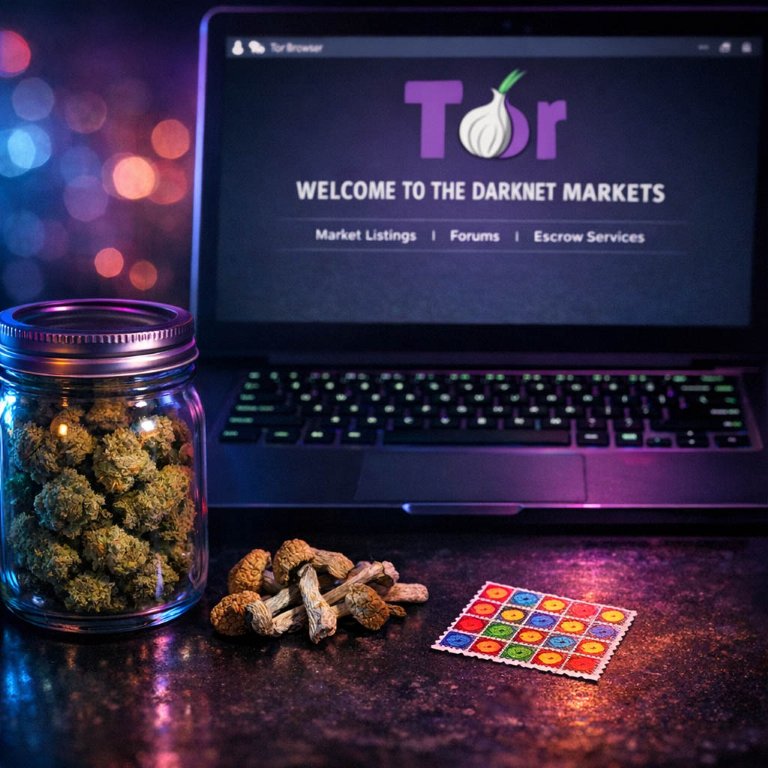
How Escrow Makes Darknet Shopping Safe and Reliable
Escrow systems are a foundational component for secure commerce on darknet markets, directly addressing the inherent trust deficit in anonymous environments. These systems function as a neutral third-party holding service for cryptocurrency payments. When a buyer places an order, funds are sent to a secured escrow account controlled by the market platform itself, not released to the seller until the buyer confirms satisfactory receipt of the goods.
This mechanism creates a balanced and self-enforcing framework for reliable transactions. It protects the buyer from fraudulent sellers who might otherwise accept payment and not ship the product. Conversely, it also safeguards honest vendors from fraudulent buyers who might falsely claim non-receipt to secure a refund. The escrow holds funds in a state of pending resolution until the transaction is completed as agreed, which typically involves the buyer finalizing the order after a set period or the vendor providing valid shipping proof.
The operational principles are straightforward and automated:
- A buyer selects a product and submits payment to the market's escrow wallet.
- The seller is notified and ships the product, often providing a tracking code.
- The buyer receives the product and finalizes the order, triggering the release of escrowed funds to the seller.
- If a dispute arises, both parties can provide evidence to market moderators, who then adjudicate and release funds to the rightful party.
This process effectively reduces the risk for all parties and is superior to the finalize early option, where a buyer releases funds before delivery as a sign of trust, often in exchange for a discount. The widespread adoption and user understanding of escrow have standardized a method for anonymous shopping that prioritizes transactional security and builds the necessary trust for consistent commercial activity on these platforms.
How User Reviews Ensure Quality on Darknet Markets
The reliability of commerce on darknet platforms is fundamentally dependent on systems of community-driven verification. Unlike traditional anonymous markets, modern darknets implement structured feedback and review systems that directly verify product quality and vendor reliability. Every transaction can culminate in a detailed review where buyers rate specific attributes.
These systems typically capture data on:
- The accuracy of the product description versus what was received.
- The purity or potency of the substance, often confirmed with testing kits.
- The speed and discretion of the shipping process.
- The professionalism of the vendor's communication.
This aggregated feedback creates a transparent reputation score for each seller and product listing. A vendor with hundreds of positive reviews establishes a track record of trust, while negative reviews for substandard product or scams are immediately visible to the community. This mechanism effectively crowdsources quality control, allowing buyers to make informed decisions based on the collective experience of previous customers. The feedback is often immutable and tied to a completed sale, making fraudulent reviews difficult to post. This environment fosters a self-regulating marketplace where high standards are incentivized and poor performance is economically punished through loss of reputation and future sales.
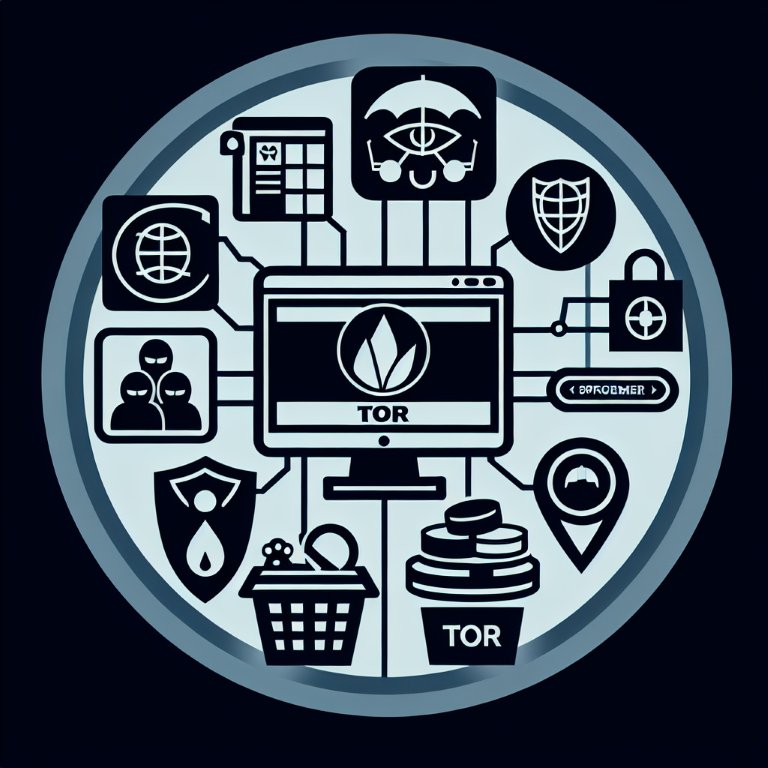
How User Reviews Build Trust on the Darknet
The feedback and review system is a core mechanism for trust on darknet markets. Unlike traditional anonymous commerce, these platforms institutionalize user evaluations, creating a transparent and self-policing ecosystem. Every transaction can be rated, with detailed comments on product quality, shipping speed, and stealth. This collective intelligence directly informs future buyers and holds sellers accountable.
The structure of these systems ensures their effectiveness. Reviews are typically tied to a finalized transaction, verified through the escrow system, which prevents fake feedback. This creates a reliable reputation score for each vendor. A seller with hundreds of positive reviews naturally attracts more business, while one with consistent complaints about underweight or misrepresented products is quickly marginalized. The market enforces quality standards through collective action, not external regulation.
This environment benefits all participants. Buyers make informed decisions based on peer experiences, significantly reducing the risk of fraud. For vendors, a strong reputation becomes their most valuable asset, incentivizing honest business practices and high-quality products. The system creates a form of organic moderation where the community itself identifies and isolates bad actors, fostering a stable and predictable commercial environment for anonymous shopping.
How Escrow and Reviews Build Trust on the Darknet
The cumulative effect of the operational features on darknet markets directly fosters a high degree of consumer trust, which is the cornerstone of any successful commercial platform. This trust is not assumed but is systematically constructed through transparent and verifiable mechanisms.
Anonymity, provided by tools like Tor and cryptocurrency, establishes a foundational layer of security, allowing participants to engage without fear of personal exposure. This security enables the subsequent trust-building systems to function effectively.
The escrow system acts as a critical trust intermediary. By holding the buyer's funds until product delivery is confirmed, it eliminates the risk of direct fraud and aligns the seller's incentive with satisfactory fulfillment of the order. This mechanism creates a balanced and secure transactional environment.
Following a transaction, the community feedback mechanisms take over. Detailed user reviews and vendor ratings serve as a continuous and public audit of quality and reliability. This creates a self-regulating ecosystem where:
- Vendors with consistent positive feedback gain reputation and more business.
- Buyers can make informed decisions based on peer experiences.
- Poor quality products or fraudulent vendors are quickly identified and marginalized through negative ratings.
This transparent cycle of transaction and feedback transforms subjective experience into objective, actionable data. The result is a resilient commercial environment where trust is quantifiable, based on demonstrated history and community verification rather than mere promises.
How Darknets Make Buying Drugs Safe and Easy
The foundational principle of modern darknet markets is the creation of a secure commerce platform for anonymous shopping. This is achieved through a specific technological and social architecture. The core component is the Tor network or similar anonymity software, which obfuscates user IP addresses and encrypts traffic, making the physical location of both the marketplace server and its users extremely difficult to determine.
This technical anonymity enables a commercial environment where buyer and seller identities are protected by pseudonyms. Transactions are conducted using cryptocurrencies like Bitcoin or Monero, which provide a decentralized and pseudonymous payment layer separate from the traditional banking system. The combination of network anonymity and cryptographic payment forms the bedrock for all subsequent trust-building mechanisms.
To mitigate the inherent risk of non-delivery in an anonymous environment, markets employ automated escrow systems. When a purchase is made, the buyer's cryptocurrency is held in escrow by the market software. The funds are only released to the vendor after the buyer confirms successful receipt of the goods. This system disincentivizes fraud and ensures that vendors fulfill their orders to receive payment.
Trust and quality assurance are further reinforced by transparent community feedback mechanisms. Every transaction can be accompanied by a detailed review and a rating for both product and vendor. This creates a powerful self-regulating environment where consistently poor service or substandard product quality is quickly reflected in a vendor's reputation, making them uncompetitive. Buyers rely on this aggregated feedback, which often includes photographic evidence, to verify product quality before making a purchase.
The operational model integrates these elements into a coherent system:
- Anonymity protocols protect participant identities.
- Cryptocurrency enables borderless, private finance.
- Escrow services secure the transaction process.
- Feedback systems create accountability and market-driven quality control.
Together, these principles form a resilient framework for commerce. They build trust among consumers not through legal contracts or institutional backing, but through transparent technological protocols and community-driven verification, facilitating a wide variety of commercial exchanges.